Understanding the Cost of Vanuatu Citizenship 949650593

Understanding the Cost of Vanuatu Citizenship

If you’re considering obtaining citizenship in Vanuatu, it’s essential to understand the financial implications of this decision. The cost of Vanuatu citizenship can vary widely based on various factors. To get a complete picture, you may refer to detailed information in our article: How Much Does Vanuatu Citizenship Cost?

Overview of Vanuatu Citizenship by Investment Program

Vanuatu, known for its stunning landscapes and welcoming culture, offers a Citizenship by Investment (CBI) program. Launched in 2017, this program is designed mainly for wealthy individuals and families looking to obtain a second passport through investing in the country’s development programs. It’s one of the fastest routes to global mobility, providing not only citizenship but also access to numerous benefits.

Breaking Down the Costs

The costs associated with Vanuatu citizenship can be broken down into several components. Below are the main factors that contribute to the total cost:

1. Government Fees

The government fees are the most significant part of the financial commitment required for obtaining Vanuatu citizenship. As of late 2023, these fees can be categorized as follows:

  • Single Applicant: Approximately $130,000
  • Family of Four: Approximately $180,000
  • Additional Family Members: About $15,000 per person

2. Due Diligence Fees

Due diligence fees cover the background checks performed by the Vanuatu government to ensure the integrity and security of applicants. This fee typically ranges between $5,000 to $10,000 depending on the applicant’s profile.

3. Legal and Processing Fees

It is highly recommended to hire a licensed agent to navigate the application process successfully. These agents typically charge between $5,000 and $15,000 for their services, which include document verification, submission, and liaising with government authorities.

4. Additional Costs

Other possible costs that applicants should consider include:

  • Application processing fees
  • Travel and accommodation costs
  • Additional documentation (like birth certificates, marriage certificates, etc.)

Benefits of Vanuat

u Citizenship

While the financial commitment may seem high, the advantages of obtaining Vanuatu citizenship make this investment worthwhile. Some key benefits include:

  • Visa-Free Travel: Vanuatu passport holders enjoy visa-free or visa-on-arrival access to over 130 countries, including the Schengen Area, the United Kingdom, and more.
  • Tax Advantages: Vanuatu has no inheritance, capital gains, or personal income taxes, making it an attractive option for those looking to optimize their tax liabilities.
  • Dual Citizenship: Vanuatu allows dual citizenship, enabling investors to maintain their original citizenship while enjoying the benefits of a Vanuatu passport.
  • Quality of Life: Vanuatu is renowned for its stunning beaches, lush green landscapes, and a relaxed lifestyle. It offers a peaceful environment and a thriving expat community.

Application Process

The process of applying for Vanuatu citizenship is relatively straightforward:

  1. Choose a licensed agent to assist with your application.
  2. Compile the required documents, including identification, proof of funds, and family information.
  3. Submit your application along with the necessary fees.
  4. Undergo the due diligence checks while the application is processed.
  5. Receive your citizenship certificate and passport upon approval.

Conclusion

Obtaining Vanuatu citizenship can be an excellent investment, offering substantial benefits in terms of global mobility, tax savings, and quality of life. Before proceeding, it is essential to fully understand the costs involved and to consult with professionals who can guide you through the process efficiently. By carefully considering your options, you can make an informed decision that aligns with your personal and financial goals.

Final Thoughts

Vanuatu’s Citizenship by Investment program remains one of the most attractive options for individuals seeking a second passport. Although the financial requirements are significant, the array of benefits and the quality of life Vanuatu offers make it a compelling choice. Engaging with a reputable service provider can streamline the entire process, ensuring a smooth transition to dual citizenship.


Understanding OFAC Delisting The Path to SDN List Removal 949590593

Navigating through the intricacies of international trade and finance can be challenging, especially for entities facing restrictions due to their presence on the Office of Foreign Assets Control (OFAC) Specially Designated Nationals (SDN) List. The process of OFAC Delisting (SDN List Removal) OFAC Delisting (SDN List Removal) is critical for those seeking to restore their operation and regain access to the global market. Understanding how to maneuver through the complexities of the delisting process is essential for any affected entity. In this article, we will cover the fundamental aspects of OFAC delisting, the reasons for inclusion on the SDN List, and the process to achieve successful removal.

The OFAC, a division of the U.S. Department of the Treasury, implements and enforces economic and trade sanctions against targeted foreign countries and regimes, terrorists, international narcotics traffickers, and those engaged in activities related to the proliferation of weapons of mass destruction. Being placed on the SDN List signifies that an individual or entity is associated with such activities, which results in a complete asset freeze and prohibitions on any transactions with U.S. persons.

Reasons for Inclusion on the SDN List

There are numerous reasons why an individual or entity may find themselves on the SDN List. Common reasons include:

  • Terrorism: Entities or individuals may be designated due to their involvement in terrorist activities or support.
  • Narcotics trafficking: Engaging in drug trafficking or being associated with drug cartels can lead to listing.
  • Proliferation of weapons: Activities related to the development or distribution of weapons of mass destruction also contribute to designation.
  • Corruption: Engaging in or facilitating corrupt practices can result in sanctions as well.

The Delisting Process

The OFAC delisting process is dictated by specific criteria and procedures that applicants must follow. The journey to removal from the SDN List can be complex and often requires the assistance of experienced legal counsel familiar with OFAC regulations. Here’s a simplified overview of the delisting process:

1. Understanding the Relevant Regulations

Knowledge of the laws and regulations governing OFAC and the SDN List is crucial for any delisting effort. Familiarizing oneself with Executive Orders, the relevant sections of the Code of Federal Regulations, and previous delisting cases can provide insight into the expectations and potential hurdles to expect.

2. Gathering Documentation

The next step involves compiling appropriate documentation that demonstrates compliance with OFAC regulations and addresses the reasons for the original designation. This documentation may include:

  • Financial statements
  • Evidence of changed circumstances since the designation
  • Statements from third parties or experts

3. Submitting a Request for Delisting

Once the necessary documentation is gathered, a formal request for delisting needs to be submitted to OFAC. It is crucial to ensure that the request is comprehensive, clearly articulated, and presents a compelling case for removal from the list.

4. Communication with OFAC

Engaging in communication with OFAC can be beneficial. This may involve answering inquiries or providing additional information as requested by OFAC. Being responsive and cooperative during this process can facilitate a smoother delisting experience.

5. Awaiting OFAC’s Decision

After submission, applicants must wait for OFAC to review the request and come to a decision. This process can take time, often several months, and can depend on the complexity of the case and the volume of delisting requests being processed by OFAC.

Challenges in the Delisting Process

While the delisting process is designed to be accessible, various challenges can complicate an entity’s attempt at removal. For instance, if the OFAC believes the initial grounds for designation still apply, they may deny the request. Furthermore, ambiguity in the regulations and inconsistencies in application can also pose significant challenges for those seeking to navigate the delisting process.

The Role of Legal Counsel

Given the complexities involved, many affected individuals and entities opt to engage legal counsel versed in OFAC matters. Legal experts can effectively navigate the regulatory environment, offer strategic advice on how to approach the delisting, and improve the chances of a successful outcome.

Conclusion

In summary, OFAC delisting is critical for re-establishing business operations and accessing the global financial system after being named on the SDN List. Understanding the reasons for inclusion, the requirements for removal, and engaging with knowledgeable legal counsel can significantly increase the likelihood of successful delisting. For any entity facing OFAC sanctions, the delisting process represents an essential pathway to recovery and continued growth in a complicated global market.

The Impact of Asset Freezes and Sanctions on Human Rights

The intersection of asset freezes, sanctions, and human rights is a complex and increasingly significant area of international law. In recent years, global geopolitical tensions have led to a rise in the use of sanctions as a tool of foreign policy. Asset freezes, in particular, have been highlighted as a mechanism for governments to exert pressure on individuals and entities accused of human rights violations. This article aims to dissect the implications of asset freezes and sanctions on human rights, while also discussing the critical role of legal experts, such as Asset Freezes & Sanctions Human Rights Violations Human Rights Lawyer, in navigating these complicated waters.

The primary purpose of asset freezes is to limit the resources available to individuals or entities that are believed to be involved in criminal activities, including corruption, terrorism, and human rights abuses. Sanctioning regimes, which can include asset freezes, travel bans, and trade restrictions, are designed to compel compliance with international norms and promote accountability. However, the effectiveness of these measures and their impact on human rights are hotly debated topics.

The Legal Framework of Sanctions

Sanctions can be imposed unilaterally by individual countries or multilaterally through international bodies such as the United Nations or the European Union. The legal framework governing sanctions is intricate and varies significantly between jurisdictions. In the United States, for instance, the Office of Foreign Assets Control (OFAC) administers and enforces economic and trade sanctions against targeted foreign countries and regimes, terrorists, international narcotics traffickers, and those engaged in activities related to the proliferation of weapons of mass destruction.

International law, meanwhile, sets out the parameters within which these sanctions must operate. Key principles include proportionality, legality, and non-discrimination. While sanctions can be effective tools for promoting human rights, they must be carefully crafted to ensure they do not inadvertently harm innocent civilians or exacerbate humanitarian crises.

The Human Rights Implications of Asset Freezes

Asset freezes can have severe implications for human rights. Individuals whose assets are frozen may find themselves unable to access their financial resources, which can impact their ability to secure basic needs such as food, shelter, and healthcare. Beyond individual consequences, broad sanctions on a country can create systemic issues that affect the general population, leading to widespread poverty, instability, and increased human rights violations.

Moreover, sanction regimes can result in a chilling effect on civil society. Activists, journalists, and human rights defenders may feel threatened by the possibility of being targeted by sanctions, which may stifle dissenting voices. This is especially critical in autocratic regimes where dissent is already severely limited.

The Role of Human Rights Lawyers

In this fraught environment, the role of Human Rights Lawyers becomes vital. They advocate for individuals affected by asset freezes and sanctions, providing legal representation and support to challenge unfair practices. Legal experts in this field work to ensure that sanctions are applied fairly and are in compliance with international human rights standards.

Human rights lawyers can assist in various ways, from litigating against wrongful asset seizures to advocating for the removal of unjust sanctions. They navigate the complex administrative processes involved in sanction regimes and work to raise awareness about the potential human rights violations that can arise from these measures.

Case Studies of Asset Freezes and Sanctions

Understanding the real-world implications of asset freezes and sanctions requires examining specific case studies. Take, for instance, the sanctions imposed on various political leaders accused of human rights abuses. In these scenarios, asset freezes may lead to increased pressure on these leaders to reform policies or engage in dialogue with opposition groups.

However, there are instances where sanctions have backfired or led to unintended consequences. An example includes the sanctions imposed on the government of Venezuela. While aimed at punishing corrupt officials, these sanctions have also had severe implications for the general population, leading to shortages of food and medicine, a situation that starkly violates public health rights.

Criticism and Calls for Reform

The effectiveness of asset freezes and sanctions has drawn substantial criticism. Some argue that these measures often fail to achieve their intended objectives and frequently harm the very populations they aim to protect. Critics highlight that sanctions can lead to further entrenchment of authoritarian regimes, as they often scapegoat external forces for internal problems.

This criticism underscores the need for reform in sanction regimes. Advocates for reform urge governments to ado

pt targeted, smart sanctions that minimize humanitarian impacts while still holding violators accountable. Moreover, there is a growing call for greater transparency and legal oversight in how sanctions are imposed and enforced.

Conclusion

Asset freezes and sanctions remain potent tools in the international legal arsenal for promoting human rights and accountability. However, their application must be carefully considered to avoid negative human rights implications. The engagement of human rights lawyers is crucial in navigating the complexities of these regimes, ensuring that individuals are not unduly punished and that broader human rights standards are upheld. The conversation surrounding sanctions must continue to evolve, balancing the imperative of accountability with the need to protect human dignity and rights.

As global dynamics shift and new challenges emerge, the dialogue on the efficacy of asset freezes and sanctions will remain critical. It is incumbent upon legal experts, policymakers, and civil society to collaborate in fostering a framework that promotes justice while safeguarding human rights.

Nauru Passport and Its Access to Hong Kong What You Need to Know

Nauru Passport and Its Access to Hong Kong: What You Need to Know

The Nauru passport holds unique significance for its citizens, allowing them to traverse various international borders with more ease than many might expect. One of the locations that Nauru passport holders can access is Nauru Passport Hong Kong Access, an essential consideration for those looking to travel, work, or live in Hong Kong. Despite its small size, Nauru’s passport can provide significant travel opportunities, including visa-free access to numerous countries.

An Overview of Nauru’s Passport Strength

Nauru may be a small island nation in the Pacific Ocean, but its passport carries substantial benefits for its citizens. The strength of a passport is generally measured by the number of countries its holders can visit without a visa or with visa-on-arrival options. The Nauruan passport allows access to a variety of countries globally, albeit with certain limitations compared to more prominent passports from countries like the United States or the United Kingdom.

Traveling to Hong Kong with a Nauru Passport

Hong Kong, known for its vibrant culture, diverse population, and strategic location, is a popular destination for travelers from all over the world. For Nauru passport holders, accessing Hong Kong is relatively straightforward. As of recent regulations, Nauru passport holders can enter Hong Kong visa-free for a limited period, typically up to 14 days. This visa exemption is compelling for Nauruan citizens considering short-term travel for tourism or business purposes.

Visa Regulations: A Closer Look

Throughout the years, visa regulations have evolved, and it is vital for potential travelers to stay informed about the latest updates. While the Nauru passport offers visa-free access to Hong Kong, travelers should remain aware of the entry requirements, which may include showing a return ticket, proof of accommodation, and sufficient financial means to cover their stay. Ensuring that all necessary documentation is prepared in advance will facilitate a smooth entry into this bustling metropolis.

Exploring Hong Kong as a Nauru Passport Holder

Once in Hong Kong, Nauru passport holders can immerse themselves in the distinct culture and attractions the city offers. From exploring historical sites like Victoria Peak and the Big Buddha to indulging in the city’s renowned culinary scene, there is no shortage of activities for visitors. Moreover, the diverse population contributes to an enriching cultural experience that includes a blend of Eastern and Western influences.

Business Opportunities in Hong Kong

Beyond tourism, Hong Kong is also a lucrative hub for business and investment. Nauru passport holders looking to engage in commerce will find numerous opportunities in sectors such as finance, trade, and technology. Establishing connections in Hong Kong can be immensely beneficial, given the city’s status as one of the leading financial centers in Asia. Additionally, the relatively straightforward process for short-term business visas enhances its appeal for short-term business engagements.

Cultural Exchange and Community

For Nauruans, engaging with the local community in Hong Kong can result in enriching experiences. The diverse expatriate community offers a network of support and friendship, making it easier for Nauruans to adapt to this cosmopolitan environment. Initiatives that foster cultural exchange can play a vital role in bridging relationships between residents of Hong Kong and visitors from Nauru, creating opportunities for collaboration and mutual understanding.

Important Travel Tips

When traveling to Hong Kong, it is essential to remain informed and prepared. Here are some travel tips for Nauru passport holders:

  • Ensure your passport is valid for at least six months beyond your date of entry.
  • Familiarize yourself with Hong Kong’s customs regulations, especially regarding what you can bring into the country.
  • Consider learning a few basic Cantonese phrases to enhance your communication with locals.
  • Stay updated on local health and safety guidelines, especially in light of any recent global health concerns.

Conclusion

A Nauru passport opens doors to various countries, including the dynamic enclave of Hong Kong. With its visa-free access for short visits, Nauruan citizens have the opportunity to explore the rich cultural tapestry and thriving business landscape this city offers. Staying informed about visa regulations and preparing adequately for travel will contribute to a rewarding experience in Hong Kong. Whether you are visiting for leisure or business, the opportunities await—unlock them with your Nauru passport.

Understanding Sanctions Compliance A Comprehensive Guide

In today’s globalized economy, businesses must navigate a complex web of regulations, especially concerning Sanctions Compliance Sanctions Lawyers compliance. Sanctions compliance involves adhering to legal restrictions imposed by governments or international bodies that target specific countries, entities, or individuals. The consequences of non-compliance can be severe, ranging from hefty fines to reputational damage. This article aims to provide an overview of sanctions compliance, its significance, common challenges, and effective management strategies.

What Are Sanctions?

Sanctions are penalties or coercive measures imposed by nations or international organizations to maintain or restore peace, protect human rights, or curb unlawful activities. They often take the form of trade restrictions, asset freezes, or travel bans targeted toward specific nations, groups, or individuals. Organizations must ensure compliance with these measures to avoid significant legal implications.

The Importance of Sanctions Compliance

Adhering to sanctions is crucial for several reasons:

  • Legal Obligations: Non-compliance can lead to severe legal repercussions, including fines and sanctions on businesses.
  • Reputation Management: Companies that violate sanctions may suffer reputational damage, leading to loss of customer trust and business opportunities.
  • Operational Risk Mitigation: Understanding and complying with sanctions reduces the risk of operational disruptions and enhances business continuity.

Types of Sanctions

Sanctions can be broadly categorized into several types:

  • Economic Sanctions: These involve restrictions on financial transactions, trade, and investment in a specific country or by specific individuals.
  • Trade Sanctions: These limit the export or import of certain goods and services, often to pressure a government into changing its policies.
  • Diplomatic Sanctions: These may include the reduction or severance of diplomatic ties with a particular country.
  • Military Sanctions: These prohibit defense exports and military assistance to a targeted nation.

Challenges in Sanctions Compliance

Despite its importance, ensuring sanctions compliance is fraught with challenges:

  • Complexity of Regulations: Sanctions regimes can vary significantly between jurisdictions, making it hard for organizations to track applicable laws.
  • Dynamic Nature of Sanctions: Sanctions lists are frequently updated, adding to the complexity of compliance efforts.
  • Insufficient Awareness: Employees may lack training on sanctions issues, leading to unintentional violations.
  • Resource Constraints: Smaller organizations may not have the necessary resources to dedicate to compliance efforts.

Strategies for Effective Sanctions Compliance

To mitigate risks associated with sanctions compliance, organizations should adopt several best practices:

  • Implement a Robust Compliance Program: Develop comprehensive policies and procedures that address adherence to sanctions.
  • Regular Training: Conduct training sessions for employees to increase awareness and understanding of sanctions issues.
  • Automated Screening Tools: Utilize technology to automatically screen transactions and business partners against sanctions lists.
  • Engage Legal Experts: Seek advice from legal professionals specializing in sanctions compliance to ensure understanding and navigation of complex regulations.
  • Continuous Monitoring: Establish mechanisms for ongoing review of compliance efforts and updates as regulations change.

Conclusion

In an increasingly interconnected world, understanding sanctions compliance is crucial for businesses operating on a global scale. The implications of failing to comply can be significant, but with the right strategies in place, organizations can navigate this complex landscape effectively. By staying informed, training employees, and engaging legal expertise, businesses can reduce risks and foster a culture of compliance that protects their interests.

Investing in a Brighter Future Sao Tome Citizenship by Investment

In recent years, the concept of citizenship by investment has gained significant traction, enticing many individuals to consider options across the globe. One lucrative destination that has emerged on the radar of savvy investors is Sao Tome and Principe. With its beautiful landscapes, stability, and growing economy, Sao Tome citizenship by investment Sao Tome CBI offers a unique avenue for acquiring citizenship through investment. This article aims to delve into the intricacies of obtaining Sao Tome citizenship, exploring its benefits, requirements, and the investment process.

Understanding Sao Tome and Principe

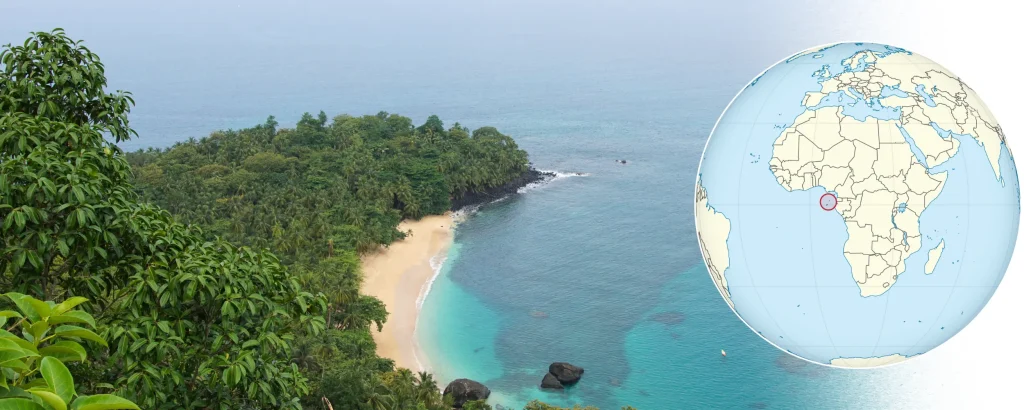
Sao Tome and Principe is an island nation located in the Gulf of Guinea, off the western coast of central Africa. Known for its lush rainforests, stunning beaches, and rich cultural heritage, the country boasts a stable political climate, making it an attractive destination for potential investors. With a population of around 200,000, the islands offer a serene environment, free from the hustle and bustle of larger metropolises.

The Benefits of Sao Tome Citizenship

Gaining citizenship in Sao Tome and Principe opens up a range of opportunities. Here are some notable benefits:

  • Visa-free Travel: Sao Tome citizens enjoy visa-free or visa-on-arrival access to multiple countries, including Schengen Area nations, the UK, and many others.
  • Tax Benefits: With Sao Tome’s favorable tax regime, including no capital gains tax, it is an attractive option for investors looking to optimize their tax commitments.
  • Access to a Growing Market: The islands are seeing increased interest in sectors such as tourism, agriculture, and renewable energy, offering investors a chance to be part of a burgeoning economy.
  • Quality of Life: The unspoiled natural beauty and tranquil lifestyle make Sao Tome an appealing destination for investors seeking a peaceful residence.

Requirements for Citizenship by Investment

To obtain citizenship in Sao Tome and Principe through investment, applicants must fulfill specific criteria. The primary requirements include:

  • Investment: A minimum investment amount is required, which can vary based on the nature of the investment. Options typically include real estate development, government bonds, or contributions to a local business.
  • Good Character: Applicants must provide a clean criminal record and demonstrate good character as part of the vetting process.
  • Proof of Financial Stability: Investors need to prove they have sufficient funds to support their investment and stay in the country.
  • Healthcare and Insurance: Adequate health insurance coverage is necessary for the investor and their family.

The Investment Process

Obtaining citizenship through investment in Sao Tome involves several steps. Here’s a breakdown of the process:

  1. Choose the Type of Investment: Decide which investment option aligns with your goals, be it real estate, a non-refundable government contribution, or business development.
  2. Engage a Local Agent: It is advisable to engage an experienced local agent or agency familiar with the Sao Tome citizenship program. They can guide you through the nuances of the application process.
  3. Prepare Documentation: Collect all required documents, including proof of investment, financial statements, and personal identification.
  4. Submit Application: Once documentation is in order, the application is submitted to the relevant government authority for review.
  5. Wait for Approval: The processing time can vary, typically ranging from a few months to over a year, depending on the complexity of the case.
  6. Receive Citizenship: Upon approval, applicants and their family members will receive their citizenship certificates, allowing them to travel and reside in Sao Tome.

Conclusion

Citizenship by investment in Sao Tome and Principe presents an attractive opportunity for individuals seeking a second passport and an enhanced quality of life. With its numerous benefits, including visa-free travel, tax advantages, and access to a peaceful environment, it’s no wonder that more investors are turning their attention to this beautiful island nation. Whether for business, leisure, or lifestyle, Sao Tome offers a promising escape combined with the potential for significant returns on investment. As global circumstances evolve, looking towards emerging markets like Sao Tome could indeed be a wise decision for prospective investors.

Final Thoughts

As with any significant investment, it is crucial to conduct thorough research and consult with legal experts to ensure compliance with the local laws and regulations governing citizenship by investment. Understanding the implications and benefits can lead to well-informed decisions that may shape your future positively. Now may be the perfect time to explore all that Sao Tome and Principe has to offer in the realm of citizenship by investment.

The Benefits of Vanuatu Citizenship for Investors

Vanuatu Citizenship for Investors: Unlocking Global Opportunities

Vanuatu, a beautiful archipelago in the South Pacific, is increasingly becoming a haven for investors seeking to obtain a second citizenship. The Vanuatu Citizenship for Investors Vanuatu CBI program has gained significant attention for its fast processing times, favorable tax regime, and the overall ease of application. This article will explore the intricacies of Vanuatu’s citizenship by investment program, the benefits it offers to investors, and the steps to obtaining this coveted citizenship.

What is Vanuatu Citizenship by Investment?

Vanuatu’s Citizenship by Investment (CBI) program allows foreign nationals to acquire citizenship in exchange for making a significant contribution to the country’s economy. Through this initiative, Vanuatu aims to attract international investors willing to inject capital into the nation, thereby fostering economic growth and development.

Eligibility Requirements

To qualify for Vanuatu’s CBI program, investors must meet certain criteria, including:

  • Be at least 18 years of age.
  • Have a clean criminal record.
  • Provide proof of financial stability and investment capability.
  • Pass due diligence checks conducted by the Vanuatu government.

Investment Options

Vanuatu offers several investment pathways for individuals seeking citizenship. The most common routes include:

1. Donation to the Development Support Program

The most straightforward option involves making a non-refundable donation to the Vanuatu government’s Development Support Program. The minimum contribution required is USD 130,000 for a single applicant, with additional fees for family members.

2. Real Estate Investment

Another popular option is investing in approved real estate developments in Vanuatu. The minimum investment is typically USD 200,000, and investors must hold the property for at least four years before selling it. This option is ideal for those looking for long-term investment opportunities in a tropical paradise.

3. Business Investment

Investors can also qualify for citizenship by establishing or investing in a business in Vanuatu. This route not only provides citizenship but also opens avenues for business operations in a dynamic market.

The Application Process

The application process for Vanuatu’s CBI program is relatively straightforward compared to other countries. Typically, the process involves the following steps:

  1. Choose an investment option that aligns with your interests and financial capabilities.
  2. Gather necessary documentation, including identification, proof of funds, and background information.
  3. Engage the services of a licensed agent to assist with the application, as required by the Vanuatu government.
  4. Submit the application, along with the required investment amount and processing fees.
  5. Await the outcome of the application, which usually takes 1-3 months.

Benefits of Vanuatu Citizenship

Obtaining Vanuatu citizenship provides several benefits, making it an attractive option for investors:

1. Visa-Free Travel

Vanuatu passport holders enjoy visa-free or visa-on-arrival access to over 130 countries, including Schengen Area nations, the United Kingdom, and Hong Kong. This facilitates easier travel for business and leisure.

2. Favorable Tax Environment

Vanuatu is known for its favorable tax regime, with no personal income tax, capital gains tax, or inheritance tax. This financial landscape is particularly appealing to wealthy individuals and families.

3. Political Stability

Vanuatu boasts a stable political environment and is renowned for its welcoming attitude towards foreigners. This stability is crucial for investors looking for secure places to relocate or invest.

4. High Quality of Life

Vanuatu is celebrated for its stunning natural beauty, pristine beaches, and vibrant culture. It offers an exceptional quality of life, making it an attractive destination for expatriates.

5. Family Inclusion

Vanuatu’s CBI program allows investors to include their families in the application, providing citizenship opportunities for spouses, dependent children, and even parents in certain cases.

Potential Drawbacks

While there are many advantages to obtaining Vanuatu citizenship, it is essential to consider potential drawbacks as well:

Some investors might find the non-refundable donation to be a significant financial commitment compared to the real estate investment option. Additionally, due diligence checks can sometimes lead to delays or applications being rejected if any issues arise during the background verification process.

Conclusion

Vanuatu’s Citizenship by Investment program offers a compelling opportunity for investors seeking to expand their global footprint. With its streamlined application process, minimal residency requirements, and a plethora of benefits, Vanuatu stands out as a viable option for second citizenship. As always, interested investors should conduct thorough research and consider professional guidance to navigate the complexities of international investments. By choosing Vanuatu, you position yourself to enjoy a bright future in a stunning location while gaining access to the world.

Nauru Citizenship by Investment Your Pathway to a New Life 948758218

Nauru Citizenship by Investment: A Comprehensive Guide

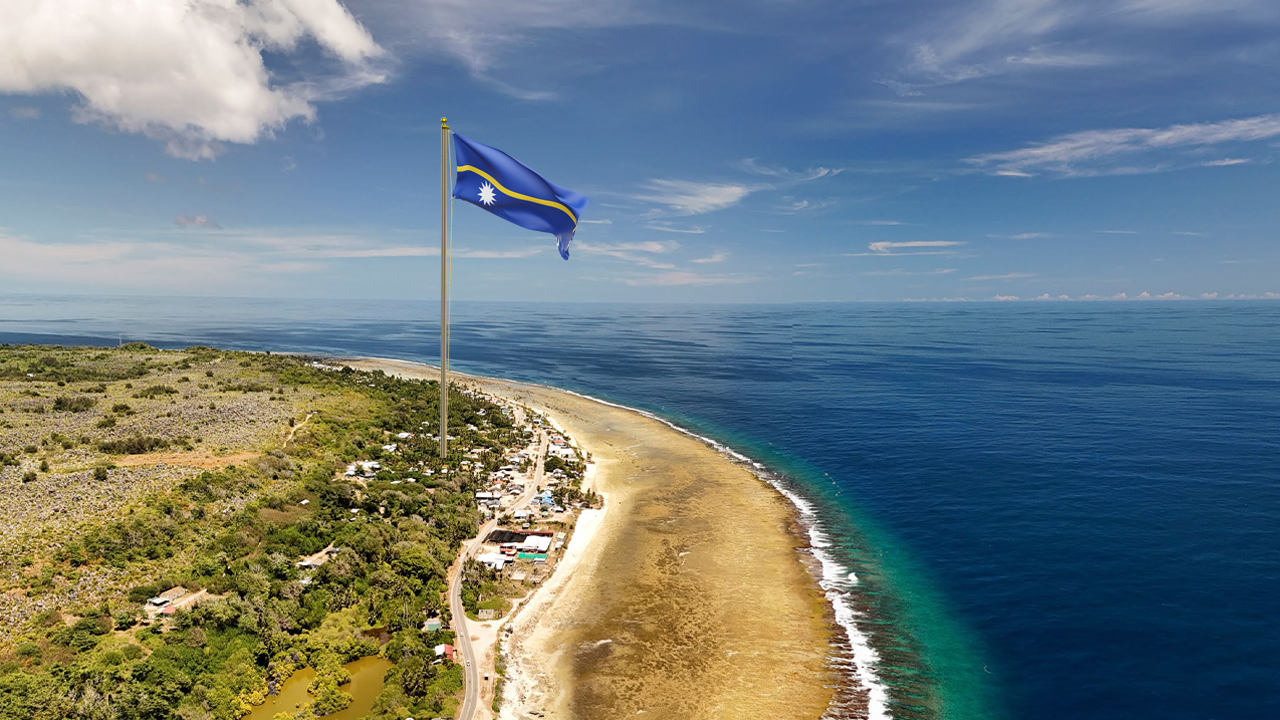
Nauru, a small island nation in the Pacific Ocean, has increasingly become a focal point for individuals looking to acquire citizenship through investment. The Nauru citizenship by investment program presents a unique opportunity for investors seeking a second passport and the advantages that come with it. For more information, you can visit Nauru citizenship by investment https://naurucbi.net.

Understanding Nauru’s Citizenship by Investment Program

The Nauru citizenship by investment program offers individuals the chance to obtain citizenship through significant financial contributions to the country. This initiative aims to stimulate Nauru’s economy while providing valuable opportunities for investors. Those who successfully navigate this program can enjoy numerous benefits, including global mobility and potential tax advantages.

Why Choose Nauru?

Nauru is one of the smallest countries in the world, both in size and population, yet it boasts a rich cultural heritage and beautiful natural landscapes. Here are several reasons why Nauru’s citizenship by investment program is appealing:

  • Strategic Location: Located in Micronesia, Nauru is ideally situated for those interested in establishing a presence in both Australia and Asia.
  • Investment Opportunities: The program encourages foreign investment, which can lead to future business opportunities in various sectors.
  • Tax Advantages: Nauru is known for its favorable tax environment, which can be beneficial for international investors.
  • Cultural Experience: Living in Nauru offers a unique chance to immerse oneself in a different culture, with a strong sense of community among its residents.

Eligibility Criteria for Nauru Citizenship

To qualify for citizenship by investment in Nauru, applicants typically need to meet certain criteria, which may include:

  • Minimum age requirement, generally 18 years or older.
  • Proof of a clean criminal record and good moral standing.
  • Demonstrating the ability to make a significant financial investment in Nauru.
  • Having sufficient financial resources to support oneself and any dependents.

Investment Options

Individuals looking to obtain Nauru citizenship must make a qualifying investment. The specific investment pathways may vary, but they generally include:

  • Real Estate: Purchasing property in Nauru can be a qualifying investment option, given the right conditions and approvals.
  • Business Investments: Investing in local businesses or starting a new venture can also qualify an applicant for citizenship.
  • Government Bonds: In some cases, investing in government bonds or other financial instruments may be an option.

The Application Process

The process to apply for Nauru citizenship by investment generally involves several key steps:

  1. Initial Consultation: Prospective applicants should consult with an immigration advisor or legal expert familiar with the Nauru citizenship program.
  2. Submitting Documentation: Applicants must gather and submit a variety of documents, including proof of identity, investment funds, and criminal background checks.
  3. Investment Execution: Once approved, investors are required to make their financial contributions in line with the chosen investment pathway.
  4. Citizenship Application Submission: After fulfilling investment requirements, the applicant can officially submit their application for citizenship.
  5. Awaiting Approval: The processing time may vary; applicants need to be patient during this stage.

Benefits of Nauru Citizenship

Obtaining citizenship in Nauru provides many advantages beyond the investment itself, including:

  • Visa-Free Travel: Nauru citizens have greater freedom to travel, with access to multiple countries without requiring a visa.
  • Residency Opportunities: Citizenship allows individuals and their families to reside in Nauru without restrictions.
  • Potential Tax Benefits: Depending on their personal tax situation, investors might benefit from Nauru’s tax laws.
  • Community and Culture: Becoming a citizen allows for deeper integration into Nauru’s rich culture and lifestyle.

Challenges to Consider

While the potential benefits are substantial, there are also challenges associated with navigating the Nauru citizenship by investment program:

  • Cost and Fees: The total costs involved in obtaining citizenship can be significant, including application fees and investment requirements.
  • Limited Government Resources: As a small nation, Nauru may have limited resources for processing applications, potentially leading to delays.
  • Market Overview: Investors need to conduct thorough due diligence to understand the market and legal landscape before making investment decisions.

Conclusion

Nauru’s citizenship by investment program represents both an opportunity and a challenge for prospective investors. Those willing to navigate the complexities of the application process and meet the necessary investment requirements can enjoy the benefits of citizenship, including global mobility and potential financial advantages. As with any significant decision, it is advisable to seek professional advice and thoroughly research the implications of becoming a citizen of Nauru.

In conclusion, Nauru can be an appealing destination for investors seeking new opportunities and lifestyle changes. The pathway to citizenship is open, and those interested must act with due diligence and care to make the most of this unique prospect.

Sao Tome Passport Navigating Opportunities in Hong Kong

Sao Tome Passport: Navigating Opportunities in Hong Kong

The Sao Tome passport has become an increasingly valuable asset for global travelers and businesspersons alike. Specifically, individuals seeking access to Hong Kong often find that this passport opens doors to a world of opportunities. With its strategic location in Asia and robust economy, Hong Kong serves as a gateway to not only the Chinese market but also to other regions of Southeast Asia. In this article, we will explore the benefits of obtaining a Sao Tome Passport Hong Kong Access and how it can facilitate smoother transitions for travelers and expatriates.

Understanding the Sao Tome Passport

Sao Tome and Principe, a small island nation located in the Gulf of Guinea, offers a passport that comes with several advantages. This passport allows for visa-free or visa-on-arrival access to numerous countries around the world. From facilitating trade and business dealings to providing travel convenience, the Sao Tome passport can be a significant asset for international citizens, including those interested in Hong Kong.

Visa-Free Access to Hong Kong

One of the major attractions of obtaining a Sao Tome passport is its visa-free access to Hong Kong. For travelers from various countries, the visa process can often be cumbersome and time-consuming. However, holders of the Sao Tome passport can enter Hong Kong without the need for a visa for stays up to 14 days. This provision is particularly advantageous for businesspersons and tourists alike, enabling them to explore Hong Kong’s vibrant culture, business opportunities, and tourist attractions.

Business Opportunities in Hong Kong

As one of the leading financial hubs in the world, Hong Kong is a magnet for businesses. The territory boasts a simple tax system, excellent infrastructure, and a highly educated workforce. For holders of a Sao Tome passport, the ability to visit Hong Kong without the need for a visa simplifies the process of networking and forming business partnerships. This accessibility encourages entrepreneurs and companies from Sao Tome to explore opportunities in sectors such as finance, technology, and tourism.

Challenges and Considerations

While the advantages are significant, it is essential to consider the challenges associated with obtaining and maintaining a Sao Tome passport. Individuals interested in acquiring this passport must meet specific requirements, including residency and investment obligations. Moreover, it’s crucial to stay informed about any changes in visa regulations that could impact travel to Hong Kong.

Combining Benefits with Other Investments

Investing in a Sao Tome passport may not only provide access to Hong Kong but can also serve as a strategic move for those looking at international investments. The growing economy of Sao Tome and Principe, coupled with the ease of travel to various business hubs, presents a unique opportunity for investors. By combining the benefits of a Sao Tome passport with investments in Hong Kong’s markets, individuals can maximize their returns while enjoying the perks of global travel.

Residency Options and Long-Term Planning

For those considering a longer stay in Hong Kong, understanding the residency requirements of the region is essential. While the Sao Tome passport allows for temporary access, individuals interested in permanent residency must navigate Hong Kong’s immigration policies, which may require additional documentation and financial resources. This planning is crucial for anyone looking to establish a more permanent presence in one of the world’s fastest-growing economies.

Cultural Exploration and Exchange

Aside from the business benefits, the Sao Tome passport allows for cultural exploration. Hong Kong is known for its rich cultural heritage, blending Eastern and Western traditions. For travelers and expatriates from Sao Tome, this cultural exchange can lead to new perspectives, enriching their experiences and fostering understanding between different nationalities.

The Future of Sao Tome Passport Holders in Hong Kong

The global landscape is continually evolving, and the value of the Sao Tome passport is likely to rise as more people recognize the opportunities it offers. With Hong Kong remaining a central player in international business and travel, the ability to move freely between these regions will become increasingly essential, especially in a post-pandemic world. The ongoing connectivity between Sao Tome and other nations highlights the importance of international cooperation.

Conclusion

In sum, the Sao Tome passport is a powerful tool for those looking to navigate the complexities of international travel and business, especially concerning Hong Kong. With visa-free access, significant business opportunities, and cultural exploration, obtaining this passport can greatly enhance one’s global mobility. However, prospective holders should remain informed about the potential challenges and planning required to make the most of their passport. Embracing this global citizen outlook not only enriches individual experiences but contributes positively to the cross-border exchanges between Sao Tome and Hong Kong.

Nauru Citizenship Eligibility Check A Comprehensive Guide

Nauru Citizenship Eligibility Check

If you’re considering making Nauru your home, it’s essential to understand the eligibility criteria for obtaining Nauru Citizenship Eligibility Check Nauru Citizenship. Nauru, a small island nation in the Pacific Ocean, offers its citizens a unique lifestyle with beautiful landscapes and a tight-knit community. This article aims to provide a comprehensive overview of the eligibility requirements for obtaining citizenship in Nauru, the application process, and important considerations for prospective citizens.

Understanding Nauru’s Citizenship Laws

Nauru’s citizenship laws are governed by the Nauru Citizenship Act. The Act outlines who is eligible to apply for Nauruan citizenship and the process for doing so. The primary avenues for obtaining citizenship in Nauru include by descent, by birth, and through naturalization. Understanding these avenues will help you assess your eligibility effectively.

Citizenship by Descent

Citizenship by descent is available to individuals whose parents or grandparents are Nauruan citizens. This pathway allows the children of Nauruan citizens, regardless of where they are born, to claim Nauru citizenship. The application process typically involves providing documentation that proves the lineage and citizenship status of the parent or grandparent.

Citizenship by Birth

Individuals born in Nauru are eligible for citizenship at birth, provided that at least one parent is a Nauruan citizen. This provision ensures that those who are born on the island and have a direct connection to its citizens automatically gain citizenship, fostering a sense of belonging and identity from an early age.

Naturalization

The most common route for foreign nationals seeking Nauru citizenship is through naturalization. Naturalization typically requires applicants to meet specific residency requirements, demonstrate good character, and show an understanding of Nauru’s customs and traditions. Generally, an individual must reside in Nauru for a certain number of years (often five years) before applying for citizenship. Understanding these requirements is crucial for anyone planning to pursue this option.

Eligibility Requirements for Naturalization

The qualifications for naturalization in Nauru include the following:

  • Residency: Applicants must have resided in Nauru for a continuous period, usually at least five years, and hold a valid resident visa during that time.
  • Good Character: Applicants must demonstrate good character, which often requires background checks. Those with a criminal record may face difficulties in obtaining citizenship.
  • Language Proficiency: While there may not be a formal language test, having a basic proficiency in Nauruan or English will be beneficial.
  • Knowledge of Nauru: Applicants are typically expected to show an understanding of Nauru’s history, culture, and customs.

The Application Process

The process for applying for Nauru citizenship through naturalization involves several steps:

  1. Gather Required Documentation: Collect important documents such as proof of residence, identification, and any supporting paperwork that demonstrates eligibility.
  2. Complete the Application Form: Fill out the naturalization application form accurately and provide all necessary details.
  3. Submit the Application: Submit the application alongside the required fees to the relevant Nauruan authorities.
  4. Attend an Interview: You might be required to attend an interview as part of the vetting process.
  5. Await Decision: After submission, it may take several months for your application to be processed. Applicants will be notified of the decision by the Nauruan government.

Key Considerations

Before embarking on the journey to obtain Nauru citizenship, there are key factors to consider:

  • Cost: Be aware of the financial implications, including application fees and potential legal costs.
  • Integration: Think about your ability to integrate into Nauruan society. Building connections with the local community can be beneficial.
  • Dual Citizenship: Nauru does not officially permit dual citizenship, so those applying may have to renounce their previous nationality.
  • Legal Advice: Consulting with immigration experts can provide valuable insights and improve your chances of success.

Conclusion

Understanding the eligibility requirements for Nauru citizenship is an essential first step for anyone considering making Nauru their permanent home. Whether through descent, birth, or naturalization, knowing the process can ease your path towards successful application and integration into this beautiful island nation. If you believe you meet the eligibility requirements, take action and begin your journey towards becoming a citizen of Nauru.

For more detailed assistance regarding your specific situation, consider reaching out to professionals who specialize in Nauru citizenship applications. With the right guidance, you can navigate the complexities of obtaining Nauruan citizenship.